
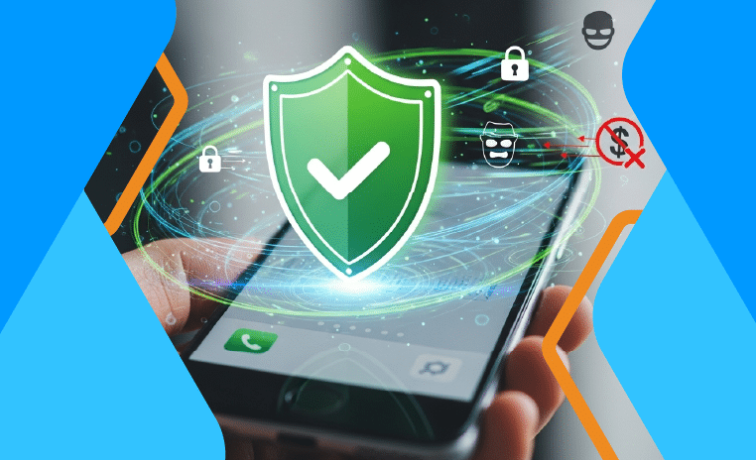
In the past few years, online lenders have transformed the entire market; many people have turned to a loan app to get quick and convenient access to funds. While you apply for emergency credit or are just exploring the options on the platform, there is a concern that always remains in an applicant’s head: what information can these platforms actually access on your phone?
With increased popularity, there are some borrowers who always worry about whether these platforms have unrestricted access to their personal information. But the reality is that reputable and registered platforms have to follow strict guidelines and privacy policies. The instant loan apps are allowed to request data that is necessary to verify the user identity, assess eligibility and process applications.
It can help you make an informed decision and use digital services with confidence only when you understand what a loan app personal lending platform can and cannot access.
Why Loan Apps Request Data?
To verify the borrower’s identity and evaluate the ability to repay the borrowed sum, lenders need certain information which they can’t ignore. To streamline the application process and ensure quick approvals, online platforms collect the information.
And it would be difficult to assess the applications securely and accurately if they don’t get the basic verification data. Whatever information is requested is generally used to improve efficiency, reduce fraudulent activities and support responsible practices.
What Data a Loan App May Access?
Here are some data points that are requested for loan apps:
1. Identity Information: The identity verification includes the information that helps lenders confirm who you are and ensure compliance with financial regulations. This helps credit apps to process the applications with complete security and protect both borrowers and lenders from fraudulent activities.
2. Contact Information: During the registration and application process, the basic contact details are requested by a lending platform. With this information, lenders can communicate with the borrowers and provide important updates related to your application, approval status, repayment schedules and solve customer support queries.
3. Financial Information: As part of the application process, lenders review the financial information and understand your eligibility for an instant loan. This includes documents related to income and other documents offered by the borrower. This is how a lender evaluates a borrower’s repayment capacity and knows the suitable borrowing limits.
4. Device and Application Information: The technical information about the device is also collected by some platforms. This prevents fraudulent applications, improves security, and detects suspicious activities. To strengthen the overall safety of the lending process, most reputable platforms use this information.
5. Location Information: There are some cases where location permissions are required for security purposes or verification. By navigating to device settings, users can review and manage these permissions.
What Loan Apps Typically Do Not Access?
While there are several misconceptions about what online loan apps can see on a borrower’s phone. You must know that trusted lenders don’t have unlimited access to your personal content. Here’s what they don’t have access to:
1. Personal Conversations: Without any proper authorisation and legal justification, a credit app is not allowed to read your private messages, emails or personal conversations. All the private conversations and communications remain private, protected and separate from the application process.
2. Photos and Personal Media: Unless it’s a specific document upload, which is required and initiated by the user, the online lenders don’t have access to your personal photos, videos or any of the media files. Whatever documents are uploaded and submitted are limited to verification purposes.
3. Passwords and Sensitive Credentials: Passwords for your banking applications, email accounts, social media accounts or any other personal services are the ones that a loan application doesn’t have access to. Borrowers must not share such information with any lender or financial platform.
4. Continuous Monitoring: Many borrowers believe lenders continuously monitor phone activity after a loan approval. However, responsible lending platforms only access information that has been authorised and is essential for servicing the application. A reliable loan provider adheres to privacy standards and gathers only data necessary for its purposes.
How to Protect Your Privacy?
To ensure a safe and secure borrowing experience, it is important to take some precautions before you use any digital lending platform. Here are some simple steps:
- Take a look at the privacy policies offered by the platform.
- Pay attention and understand all the requested permissions.
- Ensure you download apps from reliable sources, such as Google Play Store or Apple App Store.
- Check if the online loan lender is credible and trusted.
- Don’t share your sensitive information, passwords and confidential details.
- Do check all the requested permissions.
Conclusion
Understanding data privacy remains an important factor, no matter how fast and more accessible borrowing has been made by digital lenders. Information necessary for identity verification, eligibility assessment and security purposes is only accessed by credit apps.
Bajaj Finserv, a reliable instant loan app, emphasises a secure and transparent borrowing experience, offering loans without collateral, clear terms, quick approval, competitive rates, flexible tenures, a user-friendly platform, and no extra charges. Its digital system enables borrowers to apply confidently, ensuring clarity, privacy, and ease throughout the process.



 Hidden Benefits of Wearing a Posture Corrector