
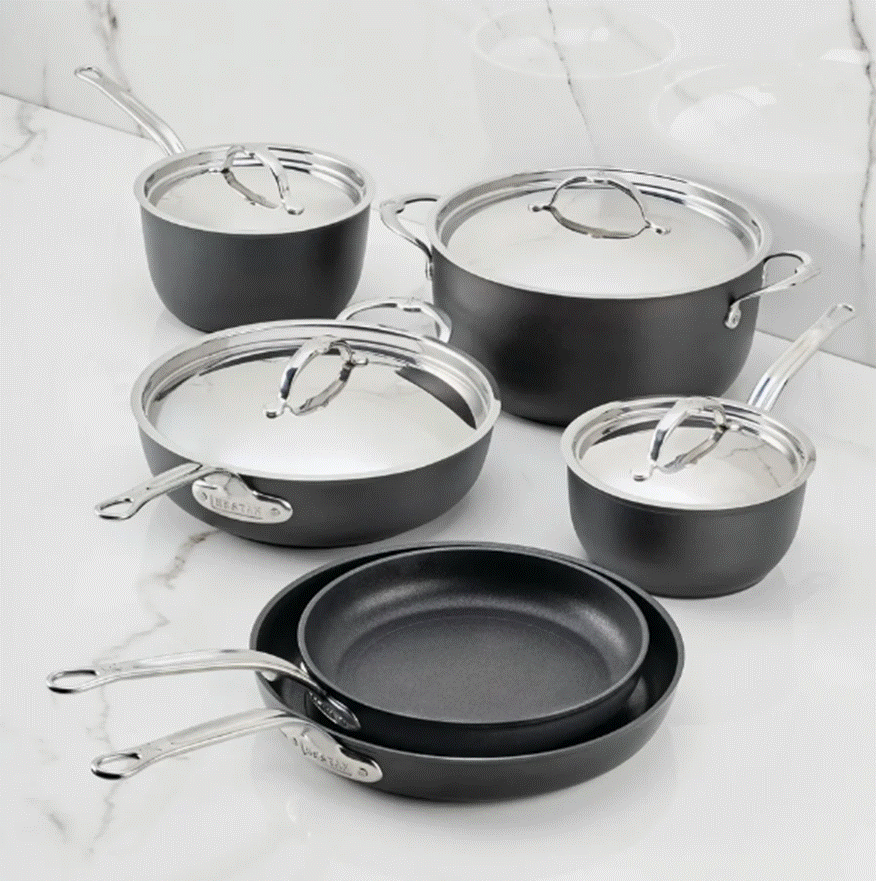
A well equipped kitchen does not need to be filled with dozens of cooking tools. What matters most is having the right pieces for the meals you prepare regularly. A thoughtfully planned cookware collection can make everyday cooking more convenient, improve organization, and give you the flexibility to prepare everything from quick breakfasts to complete family dinners.
Choosing cookware can sometimes feel overwhelming because there are many sizes, shapes, materials, and designs available. Instead of buying individual pieces without a plan, it is helpful to think about your cooking habits first. Consider the dishes you prepare most often, the number of people you usually cook for, the amount of storage available, and how much time you want to spend cleaning after meals.
A versatile cookware collection should provide practical solutions for everyday cooking while remaining easy to maintain. With a few carefully selected pieces, it is possible to handle a wide variety of recipes without overcrowding the kitchen.
Start With Your Cooking Habits
The best place to begin when building a cookware collection is your daily routine. Every household has different cooking preferences, so there is no universal list of pieces that everyone needs.
Think about the meals you prepare throughout a typical week. If breakfast usually includes eggs, pancakes, or sautéed vegetables, a skillet may be one of the most useful pieces in your kitchen. If you frequently prepare sauces, grains, soups, or side dishes, a saucepan can provide additional flexibility.
For families who regularly prepare larger meals, bigger cookware may be more practical. Smaller households may prefer compact pieces that are easier to handle and store.
Understanding these habits can help you avoid buying cookware that looks useful but rarely gets used.
Build Around Versatility
One of the most important principles when creating a cookware collection is versatility. A piece that can be used for several cooking tasks often provides more value than one designed for a single purpose.
A versatile skillet, for example, can be used for breakfast foods, vegetables, proteins, and quick one pan meals. A saucepan can be used for sauces, grains, vegetables, soups, and reheating certain foods.
When several pieces can perform multiple functions, the kitchen becomes more efficient. You can prepare different recipes without constantly switching between specialized equipment.
Versatility is particularly valuable in smaller kitchens because storage space may be limited. Choosing multipurpose cookware allows you to maintain functionality without filling every cabinet.
See also: Planning the Best Villa Renovations in Dubai: Key Factors to Consider
Choosing the Right Sizes
Size is another important consideration. Cookware that is too small may make it difficult to prepare enough food, while cookware that is too large can be inconvenient for smaller portions.
Consider the number of people you usually cook for. Someone preparing individual meals may have different needs from someone cooking for a family.
It can also be useful to have different sizes for different purposes. Smaller pieces can work well for individual servings and quick meals, while larger cookware can accommodate family portions or recipes that require more ingredients.
The goal is to choose sizes that match your actual cooking requirements rather than simply selecting the largest available options.
Why a Coordinated Cookware Set Can Help
Purchasing individual cookware pieces allows you to customize your collection, but a coordinated set can simplify the process. A thoughtfully assembled set can provide several essential pieces that are designed to work well together.
A TITUM Nonstick Cookware Set can be a practical option for cooks who want several useful pieces without having to select each one separately. Having complementary cookware available can make it easier to move between different recipes and cooking tasks.
A coordinated collection can also create a more organized appearance in the kitchen. When pieces have compatible designs and storage requirements, arranging them can become easier.
However, it is still important to consider what is actually included in a set and whether those pieces match your cooking habits.
The Role of a Skillet
A skillet is one of the most versatile pieces of cookware in many kitchens. Its broad cooking surface makes it suitable for a variety of ingredients and recipes.
Skillets can be used for cooking eggs, vegetables, proteins, pancakes, and many quick meals. They can also be useful for sautéing ingredients before combining them with other components of a dish.
When choosing a skillet, consider its size, handling, cooking surface, and maintenance requirements. A comfortable handle can make moving the cookware easier, especially when preparing larger meals.
A dependable skillet can become one of the most frequently used pieces in a kitchen, so it is worth selecting one that suits your everyday cooking style.
The Importance of a Saucepan
A saucepan serves a different purpose and can complement a skillet effectively. Its deeper design makes it suitable for foods that require more depth or liquid.
Saucepans can be useful for preparing sauces, rice, grains, vegetables, soups, and other dishes. They can also be convenient for reheating certain foods.
When selecting a saucepan, think about the capacity you need and how frequently you prepare recipes that require one. A smaller saucepan may be sufficient for sauces and individual servings, while a larger one may be more practical for family meals.
Having both a skillet and saucepan can significantly expand the number of recipes you can comfortably prepare.
Choosing Nonstick Cookware
Nonstick cookware is valued for its convenient cooking surface. Food can generally release more easily, which can make certain cooking tasks simpler.
This can be especially helpful for delicate foods that are more likely to stick. Eggs, pancakes, fish, and certain vegetables can benefit from a smooth cooking surface.
Another advantage is easier cleanup. When food does not become heavily attached to the cooking surface, washing can take less time and effort.
However, proper care remains important. Always follow the manufacturer’s instructions regarding temperature limits, cleaning methods, and suitable utensils.
Consider Ease of Cleaning
Cooking is only one part of meal preparation. Cleaning afterward can also influence how enjoyable the overall process feels.
Cookware that is easy to clean can reduce the time required after meals. This is especially useful for people who cook several times a day or prepare meals for multiple people.
A smooth surface can help minimize food residue, while appropriate cleaning methods can help preserve the cookware over time.
Avoid harsh cleaning techniques unless they are specifically recommended. Gentle washing and suitable cleaning tools can help maintain the condition of the cooking surface.
Think About Storage
Storage is often overlooked when purchasing cookware. A collection may be practical, but if it cannot be stored efficiently, it can quickly make the kitchen feel crowded.
Before buying new pieces, consider the amount of cabinet or drawer space available. Measure storage areas if necessary, particularly if you are considering larger cookware.
Stackable pieces can sometimes help maximize space, although care should be taken to prevent surfaces from rubbing against each other in ways that may cause damage.
Organizing frequently used cookware in an accessible location can also save time during meal preparation.
Choose Cookware That Fits Your Routine
A good cookware collection should work with your lifestyle rather than forcing you to change how you cook.
If you prepare quick meals during the week, prioritize pieces that are easy to handle and clean. If you enjoy cooking elaborate meals on weekends, you may benefit from larger and more specialized pieces.
For people who cook for children or larger families, durability and capacity may be especially important. Those living in smaller spaces may prioritize compact storage and multipurpose functionality.
The more closely cookware matches your routine, the more likely you are to use it regularly.
Think About Long Term Durability
Cookware is used repeatedly, so durability should be part of the decision making process. A piece that performs well initially but deteriorates quickly may not provide good long term value.
Look for cookware designed to handle regular household use and follow the recommended care instructions. Proper maintenance can have a significant impact on how long cookware remains useful.
Avoid unnecessary exposure to extreme temperatures and use utensils that are appropriate for the cooking surface.
Taking care of cookware from the beginning can help preserve its performance and appearance.
Use Appropriate Cooking Utensils
The utensils you use can affect the condition of your cookware. Certain cooking surfaces may be sensitive to sharp or abrasive utensils.
Before using a new piece, check the manufacturer’s recommendations. Using suitable utensils can help reduce scratches and unnecessary wear.
Wooden and silicone utensils may be suitable for many nonstick surfaces, but the specific cookware instructions should always take priority.
Simple habits such as avoiding sharp objects and not cutting directly inside cookware can help maintain the cooking surface.
Consider How Often You Cook
Your cooking frequency should influence your cookware decisions. Someone who cooks once or twice a week may have different requirements from someone who prepares every meal at home.
Frequent cooks should prioritize durability, comfort, ease of cleaning, and versatility. When cookware is used every day, even small inconveniences can become noticeable over time.
Occasional cooks may prefer a smaller collection that covers essential recipes without taking up unnecessary storage space.
There is no need to own every type of cookware available. A carefully selected collection can be more useful than a large assortment of rarely used pieces.
Create a Balanced Collection
A balanced cookware collection should include pieces that complement each other. Instead of having several items that perform the same task, consider selecting pieces that cover different cooking needs.
A skillet can handle sautéing and frying, while a saucepan can support sauces, grains, and liquid based recipes. Larger cookware can help with family sized meals, while smaller pieces can be convenient for individual portions.
This approach creates flexibility without unnecessary duplication.
As your cooking interests develop, you can gradually add specialized pieces when a genuine need arises.
Make Quality a Priority
Quality should remain a key consideration when building a cookware collection. Well designed cookware can make cooking more comfortable and provide dependable performance over time.
Look at construction, cooking surface, handle design, size, and maintenance requirements. These details can influence how enjoyable the cookware is to use.
Rather than focusing only on appearance, think about how each piece will function in your kitchen.
The best cookware is not necessarily the piece with the most features. It is the piece that performs the tasks you need consistently and comfortably.
Building a Collection Over Time
There is no need to purchase an entire kitchen collection at once. Start with essential pieces and expand gradually.
Once you understand which cookware you use most frequently, you can make better decisions about what to add next.
This approach can also help control spending. Instead of purchasing multiple specialized items immediately, invest in versatile pieces that provide the greatest everyday usefulness.
Over time, your collection can evolve alongside your cooking habits.
Final Thoughts
Building a versatile cookware collection is about choosing practical pieces that match the way you actually cook. The goal is to create a kitchen that supports everyday meals without unnecessary clutter or complicated equipment.
Start by evaluating your cooking habits, household size, storage space, and favorite recipes. Prioritize versatility, durability, convenient cleaning, and appropriate sizes.
A carefully selected collection can make meal preparation more organized and enjoyable. A coordinated option such as the TITUM Nonstick Cookware Set can help provide several useful pieces while keeping the cookware collection practical and consistent. If you need help selecting the right cookware for your kitchen, Contact Us to explore your options and learn more.
Ultimately, the best cookware collection is one that makes everyday cooking easier. By choosing pieces based on real needs and maintaining them properly, you can create a functional kitchen that is ready for everything from simple weekday meals to more ambitious cooking projects.




 6 Things To Consider Before Buying A Plastic Wrap Roll