
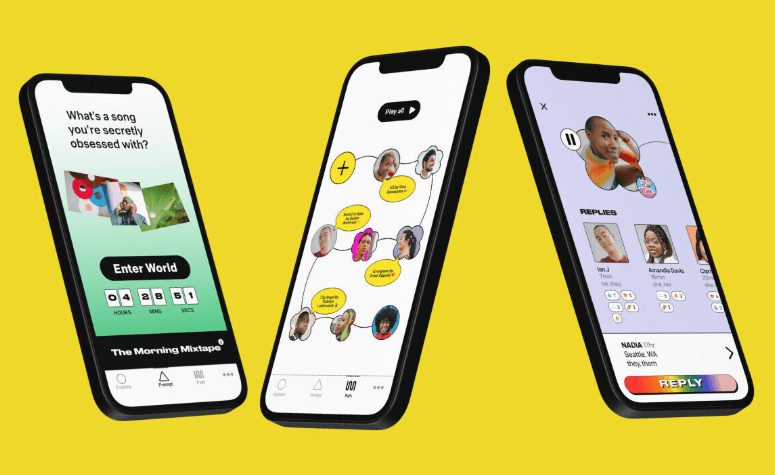
If you’ve spent any time on Soul App, you probably know the appeal. It built a reputation on avatar-based profiles, personality tests, and dropping users into anonymous voice calls with strangers worldwide. The idea was simple: connect minds, not faces.
But lately, a lot of longtime users are hitting a wall. Whether it’s the rising cost of in-app items, aggressive matchmaking algorithms, invasive ads, or just a shift in the app’s overall vibe, people are looking for the exit door.
If you’re hunting for a fresh space that keeps the avatar-first, voice-centric experience without the headaches, you have plenty of options. Here is what you need to know about finding a platform that actually fits how you want to hang out online.
Why People Are Moving Away From Soul
Soul got a lot of things right early on, but platforms change as they grow. When an app tries to monetize every single tap, the user experience usually takes a hit.
- Heavy Paywalls: Features that used to be free—like extended voice matching, location filters, or direct messaging—are increasingly locked behind virtual currency or premium subscriptions.
- Match Quality Drops: Algorithms often shift toward pairing you with high-spending users rather than people who actually share your interests or language preferences.
- Cluttered Interfaces: Over time, updates have packed the home screen with mini-games, livestreams, and store banners, making it hard to just find a simple voice chat.
If you’ve felt the same frustration, taking a look at a modern Soul app alternative can help you reclaim a cleaner, more relaxed social audio experience without starting entirely from scratch.
What Made Soul Work (And What to Look for in a Replacement)
Before jumping into a new download, take a second to think about what actually kept you on Soul in the first place. You don’t want to accidentally install a generic dating app or a noisy broadcast platform.
Look for apps that share these core elements:
1. Avatar and Identity Protection
The best part of anonymous social spaces is zero pressure on your physical appearance. You don’t need makeup, ring lights, or fancy outfits. Make sure your next app relies on 3D avatars, custom illustrations, or simple voice cards instead of mandating real photo uploads.
2. Multi-Mic Voice Lounges
One-on-one random matching can get awkward fast. If a call stalls out, sitting in dead silence with a stranger is painful. Platforms that focus on multi-seat party rooms let you sit on the side, listen to group banter, and speak up only when you feel comfortable.
3. Interest-Based Tagging
Good matchmaking isn’t random—it’s based on shared hobbies. Whether you love gaming, late-night anime discussions, lo-fi music, or language exchanges, your replacement app should let you filter rooms by topic rather than just geographical distance.
When searching across dedicated voice social apps, prioritize platforms that give you control over your room settings and privacy levels from day one.
Top Alternatives for Audio-First Socializers
Depending on what specific feature you miss most from Soul, here are a few distinct platforms worth exploring:
SUGO
If you loved Soul’s party rooms and icebreaker mini-games, SUGO is one of the closest matches available on both iOS and Android. It leans heavily into real-time voice rooms, virtual gifting, and casual group hangouts. The interface is significantly cleaner, and drop-in audio performance remains smooth even on weaker mobile data connections.
Litmatch
Litmatch focuses heavily on low-pressure, short-duration voice calls and text games (like “Voice Game” and “Party Game”). Profiles feature cute animated avatars, and the community trends slightly younger and very friendly. It’s built almost entirely around making emotional connections and digital pen pals.
Yalla
If you prefer large-scale audio chat rooms with heavy gaming elements, Yalla offers massive public and private voice rooms. While it leans a bit more into competitive mini-games like Ludo and Dominoes alongside voice chat, it’s a great option if you hate sitting in quiet rooms with nothing to do.
Slowly
For those who loved Soul’s deep, meaningful conversations but hated the instant speed of live matching, Slowly takes the opposite approach. It’s a virtual pen-pal app where letters take real time to arrive based on the physical distance between users. It completely removes visual judgments and focuses purely on long-form thought sharing.
Comparing Your Next Audio Home
| Feature | Soul App | Litmatch | SUGO | Slowly |
| Primary Format | 1-on-1 Match & Rooms | Short Match & Avatars | Voice Rooms & Party Chat | Delayed Digital Letters |
| Anonymity Level | High (Avatars) | High (Avatars) | High (Avatars/Custom Profiles) | Maximum (Pen Name) |
| Pacing | Instant / Fast | Instant / Casual | Real-Time Group Hangouts | Slow & Deliberate |
| Best For | General Audio Chat | Quick Icebreakers | Cozy Room Hangouts | Deep Connections |
How to Stay Safe on Anonymous Audio Platforms
Moving to a new social space is fun, but keeping your personal security intact is essential when you’re talking with people hiding behind avatars:
- Keep Your Real Name Private: Use a screen nickname or handle that isn’t tied to your actual social media accounts or work emails.
- Never Share External Financial Details: Be wary of anyone asking for quick money transfers, gift cards, or crypto investments—regardless of how sweet or genuine they sound in a voice call.
- Use In-App Audio Features Only: Avoid moving conversations to personal phone numbers or private messaging apps until you’ve built real trust over several weeks.
See also: How to Start a Profitable Online Business from Scratch
Frequently Asked Questions
Are these anonymous audio apps free to use?
Yes! Almost all voice social platforms operate on a freemium model. Downloading the app, joining public voice rooms, and chatting with people is free. You only spend money if you decide to buy premium profile badges, special entrance effects, or virtual gifts for hosts.
Can I use a voice social app on desktop?
Most avatar-based voice apps are built natively for iOS and Android devices. However, you can run many of them on a Mac or PC using mobile app emulators like Bluestacks if you prefer using a desktop microphone and headset.
What should I do if I run into toxic users in voice rooms?
Every reputable voice app has built-in moderation tools. You can mute individual speakers instantly, block users from viewing your profile, or report inappropriate behavior directly to room admins or app moderators with a couple of taps.
The Bottom Line
Leaving an app you’ve used for months can feel like a chore, but you don’t have to settle for aggressive paywalls or dead match queues. Whether you want spontaneous group banter, low-key gaming rooms, or genuine late-night chats with people across the globe, a quick switch to a new voice platform can make hanging out online feel fresh and exciting again. Pick the one that fits your style, put on your headphones, and dive in!



 How to Clean 3D Textured Art Without Damaging the Paint