
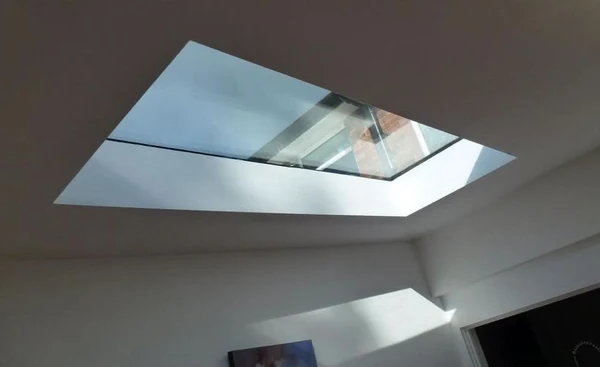
A roof lantern can change the character of an extension without requiring major changes to the surrounding walls or floor plan. Positioned above a kitchen, dining area, living room, or open-plan extension, it introduces natural light from above and can make the room feel taller and more spacious.
The challenge lies in choosing a roof lantern that suits the building, performs well throughout the year, and matches the style of the property. Size, glazing, frame material, roof structure, ventilation, and installation all deserve consideration before making a decision. For homeowners planning to buy lantern skylight online, comparing different designs, specifications, glazing options, and sizes can make it easier to find a suitable solution for the property. Taking time to review these details can also help ensure the chosen roof lantern complements the overall design while providing the desired level of natural light.
Start With the Purpose of the Room
The room beneath the lantern should guide much of the selection process. A kitchen extension may benefit from generous daylight over a central island or dining table, while a sitting room may require a more restrained design that complements existing windows.
Think about how sunlight moves across the room during the day. A large lantern positioned over a frequently used area can create a bright focal point, but excessive glazing may also introduce unwanted heat or glare during sunny periods.
The size and shape of the room matter too. A small lantern in a large extension may have little visual impact, while an oversized roof lantern can dominate a compact space.
Choose a Size That Fits the Roof
Proportion is one of the easiest details to overlook. A roof lantern should work with the dimensions of the roof rather than simply being selected according to the largest model available.
Measure the available roof area and consider the structural space required around the opening. Roof construction, insulation, roof edges, supporting beams, and drainage arrangements can all affect the practical dimensions.
For a larger extension, two smaller roof lanterns can sometimes produce a more balanced appearance than one very large unit. This arrangement can also divide the light across different parts of the room.
Before ordering, confirm the manufacturer’s recommended opening size and installation requirements. The visible external dimensions and the required structural opening are not always identical.
Consider the Style of Your Property
Roof lanterns are available in designs suited to traditional, contemporary, and transitional properties. The frame profile, glazing arrangement, roof pitch, and finish can influence how naturally the installation sits with the existing architecture.
A property with period features may suit a lantern with more pronounced framing and traditional proportions. A modern extension may look better with slim sightlines and a simple geometric form.
The extension itself should also be considered. A contemporary glazed roof lantern can work well even when attached to an older house, provided its proportions and materials relate sensibly to the rest of the building.
Colour is another design choice. Neutral finishes can blend into the roof structure, while darker frames can create a stronger architectural feature.
Pay Attention to Glazing Performance
Glazing has a direct effect on comfort, daylight, and energy use. Modern roof lanterns can use insulated glazing designed to reduce heat loss while allowing substantial natural light into the room.
Look at the glazing specification rather than judging performance by appearance alone. Factors such as thermal insulation, solar control, low-emissivity coatings, and glass composition can influence how the room behaves throughout the year.
Solar control can be particularly useful for rooms that receive strong sunlight for several hours. It can help reduce overheating without forcing homeowners to keep blinds closed throughout the day.
Safety should also be considered. Glazing used in roof applications needs to be appropriate for overhead installation, and the chosen specification should comply with applicable building requirements.
Think About Ventilation
A roof lantern affects more than daylight. Because warm air naturally rises, a high-level opening can provide a useful opportunity for ventilation.
Some roof lantern systems can incorporate opening vents, allowing stale or warm air to escape. This can be particularly useful in kitchens, where cooking produces heat and moisture.
Ventilation options vary between systems, so check whether vents are manually operated, electrically controlled, or integrated with automated controls. The practical choice depends on the room, roof height, and how easily the openings can be reached.
Check the Roof Structure First
The existing roof needs to support the proposed installation. An extension with a flat roof, for example, may require structural alterations before a roof lantern can be fitted.
A competent installer should assess the roof construction, determine whether additional support is required, and establish how the lantern will connect with the existing waterproofing and insulation.
This stage should not be treated as an afterthought. Structural and weatherproofing details have a direct bearing on the long-term performance of the installation.
Planning requirements can also vary depending on the property, location, and scope of the work. Building regulations may apply even where planning permission is not required, so professional advice is sensible before construction begins.
Compare Materials and Frame Design
Aluminium is widely used for roof lantern frames because it combines strength with relatively slim profiles. Its finish can also be powder coated in various colours.
uPVC systems can provide another option, particularly for projects where budget is a major consideration. Timber-framed designs may appeal to homeowners seeking a warmer, more traditional appearance.
The frame material should be judged alongside thermal performance, maintenance requirements, durability, and appearance. A cheaper initial price may not represent the best choice if the system requires more maintenance or does not provide the desired performance.
Consider Cleaning and Maintenance
Roof glazing naturally collects dust, rain marks, leaves, and other debris. The design of the lantern can influence how easy it is to maintain.
Consider the roof pitch, frame arrangement, drainage channels, and accessibility before installation. Self-cleaning glass coatings may reduce the frequency of manual cleaning, although they do not eliminate maintenance altogether.
Gutters and drainage points also need periodic inspection. Blocked drainage can allow water to accumulate around parts of the roof system, potentially causing problems over time.
Set a Realistic Budget
The cost of a roof lantern involves more than the product itself. Installation, structural alterations, glazing upgrades, internal finishing, electrical controls, and any required roof repairs can all add to the final figure.
Request quotations that clearly separate the lantern, glazing, installation, and additional building work. Comparing specifications rather than simply comparing headline prices gives a clearer picture of what each quotation includes.
A higher specification may make sense for a room that is used every day, particularly where better thermal control, ventilation, or slimmer framing would improve comfort and appearance.
Work With an Experienced Installer
Good installation is essential for any roof lantern. Even a well-designed product can cause problems if the roof opening, insulation, flashing, drainage, or weather seals are handled incorrectly.
Ask potential installers about previous roof lantern projects and check that they understand the structural and waterproofing requirements of the system being supplied.
The installer should also explain how the lantern will be integrated with the existing roof and how internal finishes will be completed around the opening.
Make the Lantern Part of the Overall Design
A roof lantern should feel like part of the extension rather than an object placed on top of it. Its proportions should relate to the room, roof, windows, doors, and surrounding architecture.
Furniture placement can also influence the ideal position. A lantern above a dining table can create a natural centre point, while positioning one over a darker section of the room can spread daylight into an area that receives little light from vertical windows.
The right choice balances appearance with practical performance. A carefully selected roof lantern can provide substantial daylight, improve the atmosphere of an extension, and add an architectural feature that remains useful long after the renovation work is finished.
For homeowners planning an extension or roof refurbishment, reviewing roof lantern sizes, glazing options, frame styles, ventilation, and installation requirements before ordering can prevent expensive changes later and help ensure the finished result suits both the building and the people using it.




 Stylish Credit Card Wallets for Men for Everyday Carry