
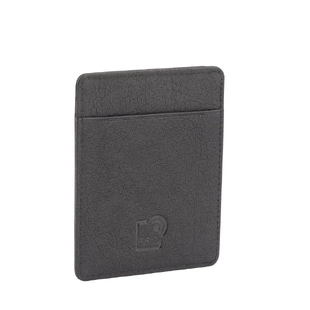
A wallet is one of those everyday items that rarely gets much attention until it becomes uncomfortable, inconvenient, or outdated. Men carry wallets through commutes, meetings, dinners, travel, and weekend plans, so choosing the right design can make a noticeable difference. A good wallet should hold essential cards securely, fit comfortably in a pocket, and complement personal style.
Modern credit card wallets for men offer a practical alternative to bulky traditional wallets. Slim profiles, refined materials, organised card slots, and understated designs make them suitable for people who prefer carrying only what they actually use.
Why Slim Wallets Make Sense for Daily Carry
Traditional wallets can become bulky after adding several cards, receipts, loyalty cards, and folded notes. A thick wallet may create an obvious outline in trousers and can feel uncomfortable while sitting for long periods.
A slim credit card wallet reduces unnecessary bulk by focusing on essential items. Most designs provide dedicated spaces for debit cards, credit cards, identification, and a small amount of cash. This compact format also makes it easier to keep track of what is being carried.
For daily use, size matters almost as much as appearance. A wallet that slips easily into a front or back pocket without creating pressure is more convenient during commuting and other routine activities.
Style Has a Place in Everyday Carry
A practical wallet does not have to look plain. Materials, stitching, texture, colour, and finish can give a simple card wallet a distinctive appearance.
Leather remains a popular choice because it develops character with use. Smooth leather creates a refined appearance, while textured or grain leather can offer a more rugged look. Minimal branding often works well for men who prefer accessories that complement an outfit rather than dominate it.
Metal wallets offer another style direction. Their structured construction can create a clean, contemporary appearance, while fabric and synthetic materials may suit casual everyday clothing.
The best design depends largely on personal taste and wardrobe. A black or dark brown leather wallet can work with formal and business clothing, while lighter shades and modern materials may suit casual outfits.
What Should a Credit Card Wallet Hold?
Capacity should be considered before appearance. Carrying more cards does not automatically make a wallet more useful. A compact design works best when it contains only the items used regularly.
A typical everyday setup might include:
- One or two credit or debit cards
- Driving licence or identification
- Health or membership card
- A small amount of cash
- One essential business or access card
Some wallets include a central compartment for folded notes, while others are designed exclusively for cards. There are also models with an external slot that allows a frequently used card to be accessed without opening the wallet.
A wallet that is filled beyond its intended capacity can lose its shape and become uncomfortable. Choosing a design based on actual carrying habits helps prevent this problem.
Materials That Affect Appearance and Durability
The material has a direct effect on how a wallet looks and how it ages.
Full-grain leather is valued for its natural surface and ability to develop a patina over time. It can be an excellent choice for someone who wants an accessory that becomes more distinctive through regular use.
Top-grain leather is generally smoother and more processed while retaining a premium appearance. It offers a polished look that works well for professional settings.
Synthetic materials can provide a wider range of colours and finishes. They may also be easier to maintain, depending on the construction.
Metal is often chosen for its rigid structure and modern appearance. Metal card holders can provide a different tactile experience from traditional leather wallets and may appeal to minimalist users.
Construction matters just as much as the material itself. Strong stitching, secure card slots, smooth edges, and properly finished surfaces can contribute to a wallet’s longevity.
Choosing a Wallet for Professional Settings
Accessories often contribute to the overall impression created by an outfit. A wallet taken out during a business lunch or payment at a restaurant should look appropriate alongside a watch, belt, shoes, or briefcase.
For professional environments, understated designs tend to work particularly well. Black, brown, navy, and other neutral shades can pair easily with formal clothing. A simple leather card wallet with clean stitching can provide a polished appearance without excessive decoration.
Minimal branding can also be preferable in professional situations. The focus stays on the quality and design rather than a prominent logo.
Features Worth Considering
A stylish wallet should still perform its basic job reliably. Several small features can make everyday use more convenient.
Easy card access: Cards should slide in and out without excessive force. Slots that are too tight can become frustrating, while loose slots may not hold cards securely.
RFID protection: Some wallets are designed to reduce the risk of unauthorised RFID scans. This feature may appeal to users who prefer an additional layer of protection for contactless cards.
Cash compartment: People who occasionally use cash may prefer a wallet with a small folded-note section rather than a card-only holder.
Compact dimensions: A slim construction helps the wallet remain comfortable in a trouser or jacket pocket.
Secure construction: Strong stitching, reinforced edges, and dependable closures can help a wallet withstand frequent handling.
Not every feature is necessary for every person. Carrying habits should guide the decision rather than a long list of specifications.
Matching a Wallet With Personal Style
An everyday wallet is used frequently, so its design should feel natural with the owner’s clothing and accessories.
Someone with a classic wardrobe may prefer traditional leather with a simple finish. A man who favours contemporary clothing might choose a minimalist metal or textured card holder. Casual dressers can experiment with fabric, colour, or more relaxed leather finishes.
Colour can also influence how versatile a wallet becomes. Neutral tones are easy to coordinate, while bolder shades can add personality to an otherwise understated outfit.
The wallet does not need to match every accessory exactly. It simply needs to look intentional and suit the setting.
Caring for a Wallet
Regular maintenance can help preserve both appearance and structure. Leather wallets benefit from being kept away from excessive moisture and prolonged heat. Occasional cleaning with a suitable leather product can help maintain the surface, provided the care product is appropriate for the specific leather.
Overloading should also be avoided. Forcing too many cards into the slots can stretch the material and leave the wallet permanently loose.
Receipts, expired cards, and rarely used membership cards should be removed periodically. A quick clean-out keeps the wallet slim and makes everyday items easier to find.
A Better Approach to Everyday Carry
A stylish credit card wallet does more than replace a traditional billfold. It reflects a preference for carrying fewer essentials while keeping those items organised and accessible. The right combination of material, capacity, construction, and design can make a small accessory surprisingly useful.
For men who want a cleaner pocket profile without giving up practical storage, a well-designed credit card wallet can be a smart addition to everyday carry. A restrained design, durable material, and sensible capacity are usually more valuable than unnecessary features or excessive size.




 What Enterprises Need to Change When Serving India Beyond the Major Metros