
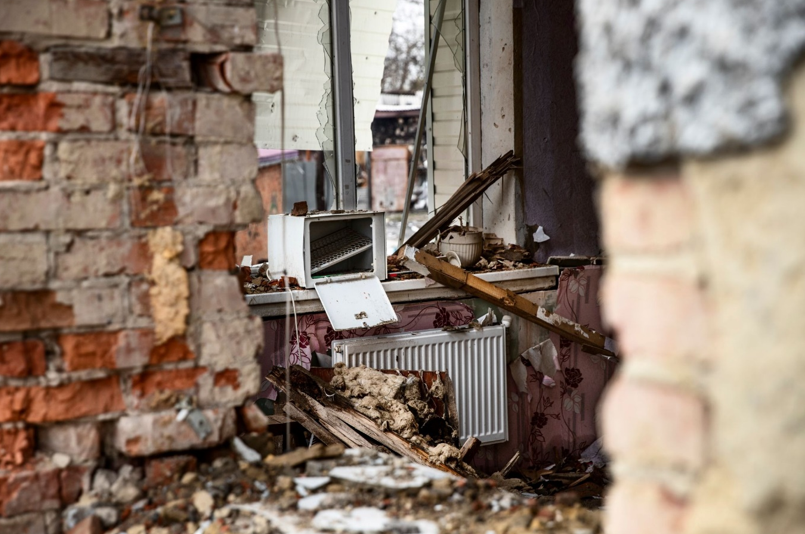
Physical home demolition in Sydney takes just 1 to 2 weeks, but pre-demolition approvals, asbestos assessments, and utility disconnections can add months to your timeline. Early planning across all 5 key preparation stages is essential for keeping your project on schedule.
Key Takeaways
- Approvals drive the timeline: CDC approval takes 20 days, while a DA averages 70+ days.
- Early prep prevents bottlenecks: Start asbestos checks (pre-1990 homes) and utility disconnections during the approval phase.
- Compliance is required: Site access and waste management plans must be finalized alongside council approvals.
- Tear-down is fast: Physical demolition takes just 1–2 weeks once prep is complete.
Demolition day isn’t the start of a rebuild; it’s the finish line of a hidden process. Months of approvals, inspections, and paperwork set your timeline long before the excavator arrives. Skip a step, and your build pays the price, not the demo crew.
This is what makes it important to know what shapes the timeline of the entire project. Anyone planning home demolition in Sydney runs into the same five stages, and knowing what controls them, and in what order, is the difference between a project that runs on schedule and one that stalls before it’s even begun.
So, read through this blog and understand what decides the timeline.
5 Things That Determine Your Demolition Timeline
Every knock-down rebuild moves through the same five stages before the physical demolition can begin. How quickly you get through each one determines your actual start date.
1. Council Approvals Set the Real Pace
Most house demolition services in Sydney start the same way: with either a Complying Development Certificate (CDC) or a Development Application (DA). Which one applies depends on zoning and heritage status, and it changes the timeline significantly.
| Approval Pathway | Typical Timeframe | Source |
| Complying Development Certificate (CDC) | As little as 20 days | NSW Planning Portal |
| Development Application (DA) | Averages around 70 days | NSW Planning Portal |
Table: Comparison of Approvals and Typical Timeframes
Councils also expect supporting paperwork alongside the application, such as:
- Site plans
- A waste management plan
- Evidence of the correct assessment pathway
Missing documentation is one of the most common causes of delay here, and it’s rarely something a demolition crew can fix once they’re already on site. Getting the pathway confirmed by a certifier or the local council before locking in a start date is one of the simplest ways to protect the schedule.
2. Asbestos Assessment Adds a Mandatory Step
Building age changes everything. As NSW Planning notes, many homes built or renovated before 1990 may contain asbestos.
A licensed assessor needs to inspect the property before demolition is scheduled, not alongside it. The inspection determines:
- Whether asbestos is present
- Whether it’s friable or non-friable
- What licensed removal work is required
Where asbestos is confirmed, SafeWork NSW requires a friable asbestos removal licence for any amount of friable material, and recommends a licensed professional even for smaller amounts of non-friable asbestos.
For older homes, especially those built before the mid-1980s, this step alone can add one to several weeks to the overall project. Booking the assessment as soon as council approval is lodged, rather than waiting for it to be granted, helps keep this stage from stacking on top of everything else.
3. Utility Disconnections Run on Their Own Clock
Water, gas, electricity and telecommunications all need formal disconnection before demolition can legally proceed. Each provider works to its own schedule, and none of it can be rushed by the demolition contractor.
A few things worth knowing:
- The account holder, or an authorised representative, must lodge each request directly.
- Telco disconnections tend to take the longest of the four.
- Contractors handling home demolition in Sydney typically need written proof of disconnection before starting work.
Homeowners who leave this until approvals are finished often find it becomes the final bottleneck. Requesting disconnections early, and keeping confirmation on file, avoids a last-minute hold-up.
4. Site Access and Neighbouring Properties
Once approvals and inspections are cleared, site conditions start to matter. Some common factors that affect scheduling:
- Narrow streets or shared driveways
- Overhanging trees near the boundary
- Tight lot access for excavators and trucks
Documenting the condition of neighbouring properties before work begins is a simple step that protects everyone if a dispute arises later. It’s worth doing in the same window as the utility disconnections, rather than the week before demolition.
5. Waste Recovery Is Built Into the Approval Process
What happens to demolition material isn’t an afterthought in NSW anymore. Per Inner West Council, a Waste and Recycling Management Plan must be submitted with any application involving excavation, demolition or construction waste.
Materials commonly recovered rather than landfilled include:
- Concrete
- Brick
- Timber
- Metal
Sites with a clear recovery plan tend to move through both approval and disposal stages more smoothly than those without one.
How the Timeline Actually Adds Up
For a standard residential block, the physical demolition wraps up in one to two weeks once everything else is in place. The stages that actually decide the start date for any projects of house demolition services in Sydney are:
- Council approval pathway (20–70+ days)
- Asbestos assessment and removal (days to several weeks, if required)
- Utility disconnections (weeks, running in parallel)
- Site access and waste planning (finalised alongside approvals)
Homeowners who map these out early, rather than assuming a builder or contractor will absorb the delays, tend to have a much smoother run from first inspection to final site clearance.
In Summation
Demolition itself is the easy part. The five stages before it, including approvals, asbestos checks, utility disconnections, site prep and waste planning, are what actually decide when your home demolition in Sydney can begin.
The homeowners who stay on schedule aren’t the lucky ones. They’re the ones who mapped these steps out early, so nothing is left to guess once demolition day is booked.
See also: How to Start a Profitable Online Business from Scratch
Ready to Plan Your Demolition Timeline?
Mapping out approvals, asbestos checks, and disconnections early is the simplest way to keep any project with house demolition services in Sydney on schedule. Take stock of where your property stands on each of these five stages before you lock in a start date, so the only surprise on demolition day is how fast it actually goes.




 Why Timely Corporate Tax Registration in Dubai Is Critical to Avoid FTA Penalties