
Bulk material handling is one of those operational areas that rarely gets attention until something goes wrong. When a conveyor system underperforms, causes material spillage, or fails mid-production, the downstream consequences move fast — interrupted schedules, labor reallocation, and in some cases, damage to downstream equipment. For US manufacturing and processing plants evaluating or replacing their bulk handling equipment in 2025, the choice of conveyor type matters more than most procurement teams initially expect.
Drag chain conveyors occupy a specific and well-defined place in this space. They are not the right tool for every application, but where they are appropriate, they tend to outperform alternatives on consistency, containment, and long-term maintenance predictability. This guide is written for operations managers, plant engineers, and procurement leads who need a clear, grounded picture of how this equipment works, where it fits, and what to evaluate before committing to a system.
What a Drag Chain Conveyor Actually Does and How It Works
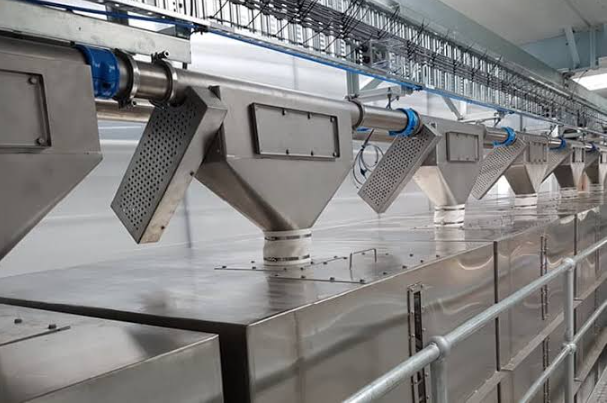
A drag chain conveyor moves bulk material through an enclosed housing using a continuous chain and flight assembly that pulls material along a trough or tube from one point to another. Unlike belt conveyors, which carry material on top of a moving surface, drag chain systems move material by displacement — the flights push or drag material forward in a controlled, enclosed path. This enclosed design is one of the defining features that sets the equipment apart in processing environments where dust control, contamination prevention, or material loss cannot be tolerated.
For plant teams working through system selection, reviewing a structured Drag Chain Conveyor guide that covers application-specific configurations can provide useful technical context before engaging suppliers or engineering consultants.
The core mechanical principle is straightforward: a drive sprocket turns the chain, which moves through the housing, and the flights — flat paddles or bars attached to the chain — push the material load toward the discharge point. Because the material is fully enclosed during transit, there is minimal exposure to ambient conditions and minimal risk of material escaping the system.
The Difference Between En-Masse and Paddle-Type Systems
Within the category of drag chain conveyors, there are two primary operating principles that affect how material moves through the housing. En-masse systems move a dense, continuous body of material through the full cross-section of the housing — the material itself acts almost as a plug, with the chain and flights working within the bulk load rather than pushing individual portions. Paddle-type or standard flight systems, by contrast, push discrete amounts of material using flights spaced along the chain, with open space between each flight.
The distinction matters operationally. En-masse designs are generally gentler on fragile or friable materials because the material mass cushions itself during transit, reducing particle degradation. Paddle-type systems are better suited to applications where the material flow needs to be more precisely metered or where the housing design requires it. Selecting the wrong configuration for a given material can result in accelerated wear, inconsistent throughput, or product quality issues that only become visible after the system is in full operation.
Where Drag Chain Conveyors Fit in Processing and Manufacturing Operations
Drag chain conveyors are used across a range of industries, but they are particularly common in applications where the combination of enclosed material handling, horizontal or inclined transport, and continuous duty operation is required. The food processing, grain handling, cement, chemical processing, and biomass energy sectors all rely on this equipment type for specific stages of their material flow.
The enclosed nature of the conveyor makes it the default choice in environments governed by dust emission standards. According to guidelines maintained by the Occupational Safety and Health Administration, combustible dust in industrial settings represents a serious hazard that requires engineering controls — enclosed conveyor systems are one of the standard engineering responses to that risk in handling facilities.
Horizontal and Inclined Material Transport
Most drag chain systems are designed to operate efficiently across horizontal runs, but many configurations support moderate inclines as well. This flexibility is important in multi-level processing plants where material needs to move between floor levels without the use of bucket elevators. When evaluating whether a drag chain system can handle a specific incline, the key consideration is whether the material being handled will flow back or pack against the flights at a given angle — this varies significantly based on material density, particle size, and moisture content.
Horizontal runs are where drag chain conveyors perform most predictably. The material weight assists consistent flight contact with the trough floor, which keeps material moving at an even rate and reduces the risk of chain slack or uneven wear patterns developing over time.
Common Industry Applications
The range of materials handled by drag chain conveyors in US plants is broad. Some of the most consistent applications include:
• Grain, seed, and agricultural commodity handling in storage and processing facilities where contamination and spillage cannot occur
• Wood chip, pellet, and biomass transport in energy and pulp operations where dust and combustibility are active concerns
• Cement, fly ash, and clinker handling in construction materials production where abrasive materials require enclosed, wear-resistant systems
• Pet food, flour, and ingredient handling in food manufacturing where sanitation standards require fully enclosed, cleanable conveyors
• Chemical and mineral processing where hazardous or reactive materials cannot be exposed to air during transit
Key Factors That Affect Long-Term System Reliability
A drag chain conveyor is not a complex machine in principle, but the conditions under which it operates — continuous duty, abrasive materials, high loads, variable throughput — mean that material, construction, and installation decisions made at the time of purchase have a direct and lasting effect on operational reliability. Plants that treat this as a simple commodity purchase often find themselves managing premature wear, unplanned downtime, and replacement cycles that cost more than a better-specified system would have required initially.
Chain and Flight Material Selection
The chain and flights are the components under the most mechanical stress in any drag chain system. They are in constant contact with the material load and with the housing surfaces, and they operate under continuous tension throughout every production run. Selecting the wrong metallurgy or construction standard for the material being handled is the most common source of premature failure in these systems.
Abrasive materials such as sand, clinker, or mineral concentrates require hardened chain links and wear-resistant flight materials. Corrosive materials — particularly those that are wet, acidic, or chemically active — require appropriate alloy choices or protective coatings. For food-grade applications, the chain and flight material must meet contact surface standards and be compatible with sanitation protocols, including washdown procedures. None of these requirements are interchangeable, and relying on a generic standard configuration is a procurement decision that often results in unacceptable maintenance costs within the first few years of operation.
Housing and Trough Construction
The housing of a drag chain conveyor serves multiple functions simultaneously: it contains the material, supports the chain and flight assembly, provides the wear surface against which the material and flights travel, and in many applications, contributes to dust and contamination control. Housing construction choices affect all of these functions.
Trough thickness and liner material are particularly important for abrasive applications. In high-wear environments, replaceable liner sections within the housing allow maintenance teams to address wear without replacing entire housing segments, which significantly reduces both maintenance time and material cost over the life of the system. For operations running the conveyor at high throughput continuously, this becomes a meaningful factor in the total cost of ownership calculation.
Drive System Sizing and Motor Selection
An undersized drive system is one of the most operationally disruptive errors in drag chain conveyor procurement. When the drive motor lacks sufficient torque for the application — particularly during startup under full load — the chain experiences shock loads that accelerate wear at every link and sprocket connection point. Over time, this shows up as chain elongation, increased slack, and eventually chain failure.
Proper drive sizing accounts not only for the nominal operating load but for startup conditions, potential overload events, and the additional resistance that develops as chain and flights wear and clearances increase. Specifying a drive system that handles only average operating conditions leaves no margin for the real variability of plant operations.
Maintenance Planning and Operational Expectations
Drag chain conveyors are generally regarded as mechanically straightforward systems compared to more complex bulk handling alternatives, but they do require structured maintenance attention to sustain reliable operation. The components under the most wear — chain, flights, sprockets, and housing liners — follow predictable degradation patterns that allow maintenance teams to plan replacements rather than react to failures.
Establishing inspection intervals appropriate to the application is more important than following a generic schedule. High-throughput abrasive applications may require chain tension checks and liner inspections at significantly shorter intervals than light-duty operations. Tracking actual wear rates during the first year of operation and adjusting the maintenance schedule accordingly is a practice that substantially reduces unplanned downtime over the full equipment life cycle.
Lubrication of chain components is another area where application-specific choices matter. Some materials handled in food or pharmaceutical environments prohibit certain lubricant types, requiring either food-grade lubrication products or dry-run chain designs that eliminate lubrication requirements entirely. Understanding this requirement before installation avoids compliance issues and the need to retrofit chain components later.
What to Evaluate When Comparing Suppliers and Configurations
The drag chain conveyor market includes a range of suppliers from large industrial equipment manufacturers to regional fabricators and specialty providers. Evaluating options across this range requires a consistent set of criteria applied to each proposal, rather than defaulting to lowest price or most familiar brand name.
Key evaluation factors for plant engineering and procurement teams include:
• Material-specific application experience, demonstrated through references or documented case studies in the same or closely related industries
• The supplier’s willingness to provide clear specifications on chain strength ratings, housing construction standards, and wear part replacement intervals under your operating conditions
• Availability and lead time for replacement wear parts, particularly chain, flights, and sprockets — systems with long or uncertain parts lead times create operational risk
• Warranty terms that reflect confidence in the equipment’s performance under the stated operating parameters, not just broad coverage statements
• Technical support access during commissioning and during the first full operating year, when adjustment and optimization needs are most common
Closing Considerations for 2025 Procurement
For US manufacturing and processing plants evaluating bulk handling systems in 2025, the drag chain conveyor remains one of the most dependable equipment options available for enclosed, continuous-duty material transport. It is not universally applicable, but where the application fits — particularly where containment, dust control, and consistent throughput are non-negotiable — it consistently outperforms open alternatives in operational predictability and long-term maintenance cost.
The decisions that most affect performance are made before installation: material and construction choices for wear components, correct drive sizing, housing design appropriate to the application, and supplier selection based on documented experience rather than price alone. Plants that invest the time in getting these decisions right during procurement typically operate their systems for many years with manageable maintenance costs and minimal unplanned downtime.
As operational demands in US processing facilities continue to put pressure on throughput consistency and equipment reliability, the value of a well-specified, properly maintained drag chain system becomes increasingly clear. The upfront effort of thorough evaluation pays returns across the full operational life of the equipment — and that is the framework worth applying to any bulk handling procurement decision in 2025 and beyond.



 How to Brief a Display Stand Manufacturer: The Step-by-Step Guide US Marketing Teams Need