
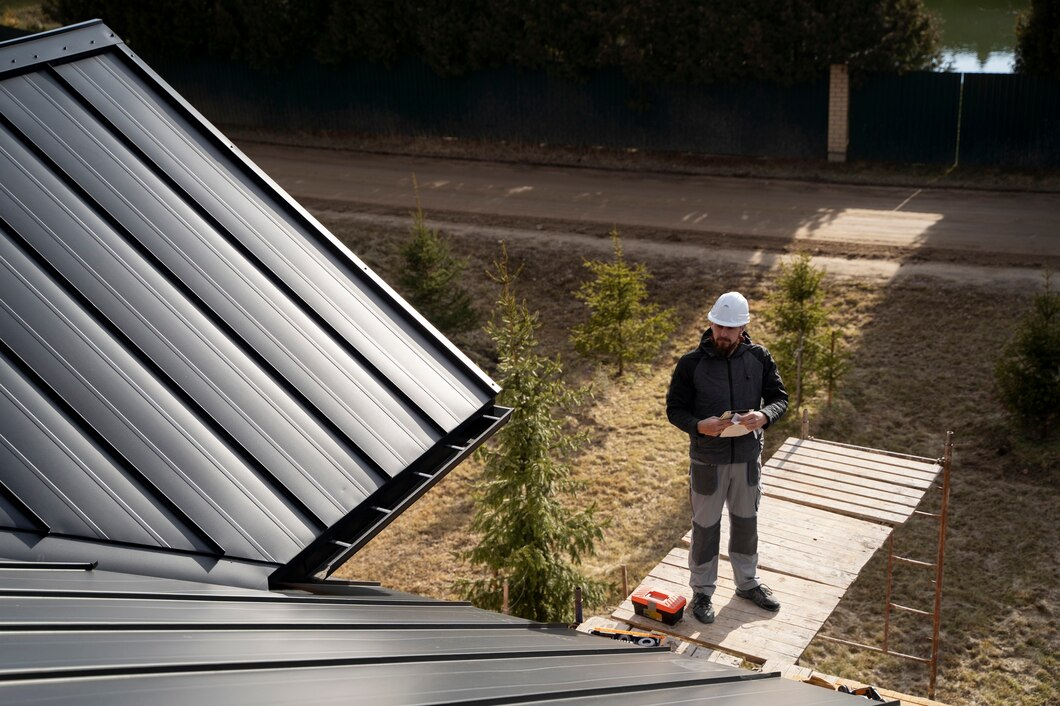
Natural light has become an essential element in modern home design. Homeowners are increasingly looking for ways to brighten their interiors while improving energy efficiency and enhancing the overall appearance of their homes. One of the most effective solutions is installing fixed skylights for pitched roof structures. These skylights allow sunlight to enter the home without the need for opening mechanisms, making them a practical and low-maintenance choice for many residential properties.
Whether you are building a new home or renovating an existing one, understanding how fixed skylights work and what is involved in their installation can help you make an informed decision. This guide covers everything you need to know about fixed skylights for pitched roof installation, including their benefits, design considerations, installation process, and maintenance requirements.
What Are Fixed Skylights for Pitched Roofs?
Fixed skylights are non-opening roof windows designed to bring natural daylight into interior spaces. Unlike ventilated skylights, they remain permanently sealed and do not provide airflow. Their primary purpose is to maximize daylight while maintaining excellent insulation and weather protection.
When installed on a pitched roof, these skylights complement the roof’s slope, allowing rainwater to drain naturally and reducing the risk of water pooling. They are commonly used in living rooms, kitchens, hallways, staircases, bathrooms, and other areas where additional daylight is needed without extra ventilation.
Why Choose Fixed Skylights for Pitched Roof Installation?
Many homeowners prefer fixed skylights for pitched roof applications because they offer several practical advantages.
Increased Natural Light
One of the biggest benefits is the amount of daylight they introduce. Roof-mounted glazing captures sunlight from above, often delivering more natural light than traditional vertical windows. This helps brighten darker areas of the home and creates a more welcoming atmosphere.
Natural daylight also improves visual comfort, making rooms feel larger, fresher, and more inviting throughout the day.
Improved Energy Efficiency
Modern fixed skylights are designed with high-performance glazing that helps regulate indoor temperatures. Double or triple glazing, Low-E coatings, and insulated frames reduce unwanted heat transfer while allowing plenty of natural light inside.
As a result, homeowners often rely less on artificial lighting during daylight hours, which may contribute to lower electricity consumption.
Low Maintenance
Since fixed skylights have no moving parts, they require less maintenance than opening roof windows. There are no hinges, handles, or mechanical components that may wear out over time.
Their simple construction also reduces the likelihood of operational issues, making them a reliable long-term investment.
Excellent Weather Protection
Because they remain permanently sealed, fixed skylights provide strong protection against rain, wind, and moisture. Proper installation ensures a watertight finish that helps prevent leaks and maintains the roof’s integrity.
Modern Appearance
Fixed skylights add a sleek architectural feature to any home. They blend seamlessly with pitched roofs and provide clean, uninterrupted views of the sky while enhancing both interior and exterior aesthetics.
Where Can Fixed Skylights Be Installed?
One of the advantages of fixed skylights for pitched roof systems is their versatility. They can be installed in various areas, including:
- Living rooms
- Dining rooms
- Kitchens
- Home offices
- Stairwells
- Hallways
- Bathrooms
- Bedrooms with high ceilings
- Loft conversions
Their ability to distribute daylight evenly makes them suitable for both small and large spaces.
Choosing the Right Size
Selecting the correct skylight size is one of the most important parts of the planning process. The ideal dimensions depend on several factors, including:
- Room size
- Ceiling height
- Roof pitch
- Interior layout
- Direction of sunlight
- Desired lighting level
Larger skylights provide more daylight but should remain proportional to the room to avoid excessive brightness or unwanted solar heat gain.
Professional installers can recommend the most appropriate size based on your home’s specific requirements.
Selecting the Best Location
Placement has a significant impact on the performance of fixed skylights.
South-facing skylights generally receive the most sunlight throughout the day, while north-facing installations provide softer and more consistent natural light. East-facing skylights capture morning sunlight, whereas west-facing options receive stronger afternoon light.
The location should also avoid structural obstacles such as rafters, chimneys, or plumbing vents whenever possible.
Careful positioning ensures balanced daylight distribution while maximizing energy efficiency.
Roof Pitch Requirements
Not every skylight is suitable for every roof angle. Manufacturers specify minimum and maximum roof pitch requirements to ensure proper drainage and weather resistance.
Installing fixed skylights for pitched roof structures within the recommended pitch range allows rainwater to flow away efficiently and minimizes the risk of leaks.
Following manufacturer guidelines is essential for both performance and warranty protection.
Types of Glazing Available
The glazing you choose significantly affects comfort, energy efficiency, and durability.
Double Glazing
Double glazing provides excellent insulation and is suitable for most residential properties.
Triple Glazing
Triple glazing offers even greater thermal performance and may be beneficial in colder climates or energy-efficient homes.
Laminated Glass
Laminated safety glass remains intact if broken, offering increased protection for occupants.
Toughened Glass
Toughened glass is highly resistant to impact and thermal stress, making it a common choice for roof glazing applications.
Many homeowners also select Low-E glass coatings to reduce heat transfer while maintaining high levels of natural daylight.
The Installation Process
Professional installation is essential to achieve long-lasting performance. While every project differs slightly, the general process includes several key steps.
Roof Assessment
The installer first evaluates the roof structure, pitch, and available space to determine the most suitable skylight location.
Structural Preparation
A roof opening is carefully created while maintaining the structural integrity of the surrounding rafters and supports.
Installing the Skylight
The skylight frame is securely fitted into the prepared opening using manufacturer-approved fixing methods.
Flashing Installation
Special flashing kits are installed around the skylight to create a waterproof seal between the roof covering and the skylight frame.
This is one of the most critical stages in preventing future leaks.
Interior Finishing
Once the skylight is installed, the internal shaft is insulated and finished to blend with the existing ceiling.
The finished result provides a clean and attractive appearance while maximizing daylight penetration.
Why Professional Installation Matters
Although DIY installation may appear cost-effective, professional installation offers several important advantages.
Experienced installers understand roof structures, weatherproofing requirements, building regulations, and manufacturer specifications. Their expertise helps prevent common installation errors that may lead to leaks, drafts, or reduced energy efficiency.
Professional installation also protects product warranties and ensures compliance with local building standards.
Common Installation Mistakes to Avoid
Several avoidable mistakes can reduce skylight performance or create future problems.
These include:
- Choosing the wrong skylight size
- Incorrect roof pitch compatibility
- Poor flashing installation
- Inadequate insulation around the skylight
- Improper sealing
- Incorrect placement causing excessive glare
- Ignoring manufacturer installation instructions
Working with qualified professionals minimizes these risks.
Maintenance Tips
Although fixed skylights for pitched roof installations require relatively little maintenance, occasional care helps preserve their appearance and performance.
Regularly clean the glass using non-abrasive cleaners to maintain maximum light transmission. Inspect flashing and seals annually, particularly after severe weather, to ensure they remain secure and watertight.
Remove leaves, branches, and other debris from around the skylight to promote proper drainage. If condensation or visible damage appears, arrange a professional inspection to address the issue promptly.
With routine maintenance, fixed skylights can continue performing efficiently for many years.
Can Fixed Skylights Increase Property Value?
Many buyers appreciate homes with bright, naturally lit interiors. Well-installed fixed skylights improve visual appeal while creating a more comfortable living environment.
Combined with their energy-efficient design and modern appearance, they may enhance the overall attractiveness of a property and contribute positively to its market value.
Are Fixed Skylights Worth the Investment?
For many homeowners, the answer is yes. Fixed skylights for pitched roof applications offer an excellent combination of aesthetics, durability, and energy efficiency.
Their ability to transform dark interiors into bright, inviting spaces often improves everyday living while reducing dependence on artificial lighting. With fewer moving parts than opening skylights, they also provide reliable long-term performance and lower maintenance requirements.
When professionally installed using high-quality materials, fixed skylights become a lasting feature that enhances both the functionality and appearance of the home.
Conclusion
Installing fixed skylights for pitched roof structures is an effective way to bring more natural light into your home while improving energy efficiency and creating a brighter, more spacious atmosphere. Their durable, sealed design offers reliable weather protection, minimal maintenance, and long-lasting performance, making them an excellent choice for a wide range of residential projects.
By selecting the right size, glazing, and location—and ensuring professional installation—you can enjoy the full benefits of fixed skylights for years to come. Whether you are planning a renovation or designing a new home, investing in high-quality fixed skylights is a practical decision that enhances comfort, style, and property value.




 Newark to India Travel Guide: Essential Tips for a Smooth Journey