
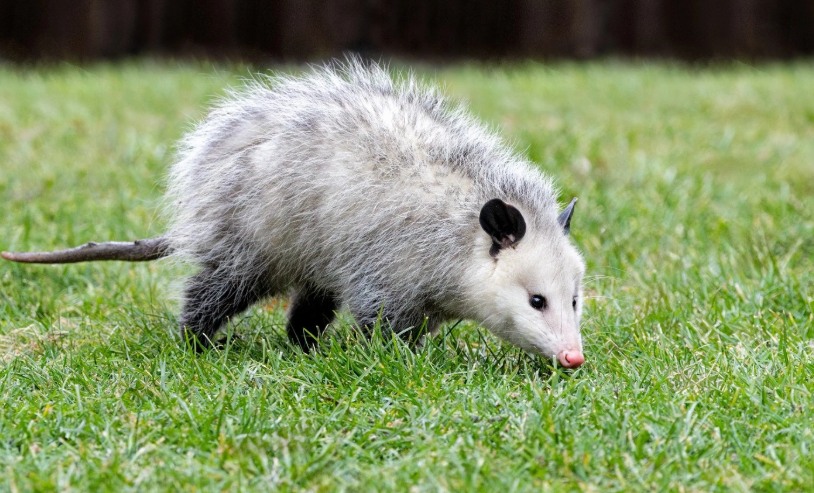
Understanding Why Possums Enter Sydney Homes
Possums are a familiar part of Sydney’s urban wildlife. They move through gardens, fences, roofs, trees, and outdoor spaces searching for food, shelter, and safe nesting areas. While they are native animals and play a role in the local environment, they can become a serious concern when they move into roof cavities, wall spaces, garages, or ceiling areas.
For homeowners, the first sign of a possum problem is often noise at night. Scratching, thumping, running sounds, and movement above the ceiling are common because possums are mostly active after dark. Some residents may also notice droppings, strong odours, damaged insulation, chewed materials, or disturbed garden plants.
From an SEO and homeowner education perspective, it is important to understand that Sydney possum removal is not simply about getting an animal out of the roof. It is about handling the issue legally, safely, and humanely while also preventing the possum from returning. A rushed or careless approach can make the problem worse, especially if entry points remain open or young possums are left behind.
Why Safe Possum Removal Matters
Possums should never be treated like ordinary pests. In New South Wales, they are protected native animals, which means they must be managed according to local wildlife rules. This is one of the biggest reasons homeowners should avoid DIY trapping or harmful removal methods. Trying to catch, relocate, or block a possum without the right knowledge may place the animal at risk and could also create legal issues.
Safe Possum removal focuses on three main goals. First, the possum must be removed in a humane way. Second, the home must be checked for damage and possible entry points. Third, the property should be protected so the same problem does not happen again.
A professional approach also reduces stress for the homeowner. When a possum is living in the roof, people often worry about damage, hygiene, sleep disruption, and safety. A calm, step-by-step solution helps restore comfort while respecting the animal’s protected status.
See also: What Tesamorelin Actually Does, and What the NEJM Evidence Really Shows
Common Signs You May Have a Possum in Your Roof
Many Sydney homeowners hear noises in the ceiling and assume they have rats or mice. However, possums usually create heavier, louder sounds. They may sound like a small animal running across the roof space, especially around sunset, during the night, or early in the morning.
Other signs include unpleasant smells coming from the ceiling, visible droppings around access points, damaged roof tiles, disturbed insulation, scratches near vents, and repeated movement near trees that touch the house. In some cases, pets may become alert or restless because they can smell or hear the possum before humans notice it.
Garden damage can also be a clue. Possums may eat leaves, flowers, fruit, and vegetables. While garden activity alone does not always mean a possum is nesting in your home, it can suggest that possums are frequently visiting the property.
Early action is important. The longer a possum stays inside a roof cavity, the more comfortable it becomes. Once it identifies your home as a safe shelter, it may keep returning unless proper exclusion work is completed.
The Right Way to Approach Sydney Possum Removal
Effective Sydney possum removal begins with inspection. A trained professional will look for entry points, nesting signs, roof gaps, broken vents, loose tiles, damaged eaves, and nearby access routes such as branches or fences. This inspection helps confirm whether the animal is a possum and not another type of wildlife or pest.
The next step is safe removal. This may involve encouraging the possum out of the roof cavity and ensuring it cannot re-enter. In many cases, the process also includes installing a suitable possum box nearby. A possum box gives the animal an alternative shelter, which can reduce the chance of it trying to force its way back into the home.
After removal, sealing entry points is essential. This is where many DIY attempts fail. If the hole, gap, or access route remains open, the possum may return the next night. Professional exclusion work may include repairing roof gaps, securing vents, closing eave openings, trimming overhanging branches, and checking weak spots around the home.
The goal is not only to remove the possum once, but to protect the property long term.
Why DIY Possum Removal Can Be Risky
Many homeowners are tempted to solve the issue quickly by blocking a hole or placing a trap in the roof. While this may seem simple, it can cause several problems. If a possum is trapped inside, it may panic, damage materials, create noise, or suffer from stress. If there are young possums inside, blocking the entry point can separate them from the adult.
DIY removal can also lead to incomplete results. Possums are skilled climbers and can find small access points that are easy to miss. A homeowner may seal one gap while another opening remains available. This leads to repeated frustration because the noise returns after a few nights.
There is also the safety factor. Roof spaces can be dangerous due to electrical wiring, unstable surfaces, dust, insulation, and poor visibility. Climbing ladders or moving around roof cavities without the right equipment may create injury risks.
Professional Possum removal is usually safer because it combines wildlife knowledge, property inspection, legal awareness, and practical exclusion methods.
How Possums Can Affect Your Home
A possum in the roof may seem harmless at first, but over time it can create several issues. The most obvious problem is noise. Night-time movement can affect sleep, especially when the animal is directly above bedrooms or living areas.
Possums can also disturb insulation, leave droppings, and create odours. If they repeatedly enter through damaged roof areas, rainwater may also become a secondary issue. Small roof gaps can grow larger over time, especially if animals continue pushing through them.
Another concern is property value and comfort. A home should feel clean, safe, and peaceful. When wildlife is living inside the structure, homeowners may feel uncomfortable inviting guests, renting the property, or using certain rooms.
From a prevention point of view, possum activity should be seen as a warning sign. It often means the property has vulnerable access points. Fixing those areas can protect the home not only from possums, but also from other unwanted animals.
Preventing Possums from Returning
The most effective possum control strategy is prevention. Once the possum has been safely removed, the home should be made less attractive and less accessible.
Start with roof maintenance. Broken tiles, loose panels, open vents, and gaps around eaves should be repaired. Branches that touch or hang close to the roof should be trimmed because they act like bridges. Outdoor food sources should also be managed. Pet food, open compost, fallen fruit, and unsecured bins can attract wildlife.
Installing a possum box in a nearby tree can also be useful when done correctly. It provides an alternative home and helps keep the animal away from your roof cavity. The idea is to guide the possum toward a better shelter instead of simply forcing it out with nowhere to go.
Regular inspections are helpful, especially for older Sydney homes. Weather, storms, and general wear can create new openings over time. Checking your roof and exterior every few months can help catch small issues before they become larger problems.
Choosing a Professional Possum Removal Service in Sydney
When choosing a service provider, look for experience, humane methods, and knowledge of NSW wildlife requirements. A reliable company should explain the process clearly, inspect the property carefully, and focus on prevention as well as removal.
Avoid anyone who promises careless relocation, harmful control, or quick fixes without inspection. Responsible Sydney possum removal should include checking entry points, removing the animal safely, sealing access areas, and offering advice on future prevention.
Good communication matters too. Homeowners should understand what caused the issue, what work was completed, and what steps they can take next. A professional service should leave you with confidence, not confusion.
It is also worth asking whether the provider can help with minor proofing work, roof gap sealing, or possum box guidance. These extra steps often make the difference between a temporary fix and a lasting solution.
Protect Your Home the Right Way
Possums are part of Sydney’s natural environment, but your roof should not become their home. When handled properly, possum problems can be solved without harm, stress, or repeated disruption.
The best approach is simple: identify the signs early, avoid unsafe DIY methods, choose humane removal, seal entry points, and take steps to prevent future access. With the right strategy, you can protect your home while respecting local wildlife.
For homeowners dealing with night-time roof noises, strange smells, or visible entry points, professional Possum removal offers peace of mind. It helps restore comfort, protects your property, and ensures the issue is managed in a safe and responsible way.
A well-protected home is not only quieter and cleaner, it is also more secure against future wildlife problems. By taking action early and choosing the right support, Sydney homeowners can keep their living spaces safe while allowing possums to remain where they belong: outside, in the natural environment.

 The Eye-Contact Economy: Isabelle Bataglin on Why Your Executive Headshot is Your True Digital Front Door