
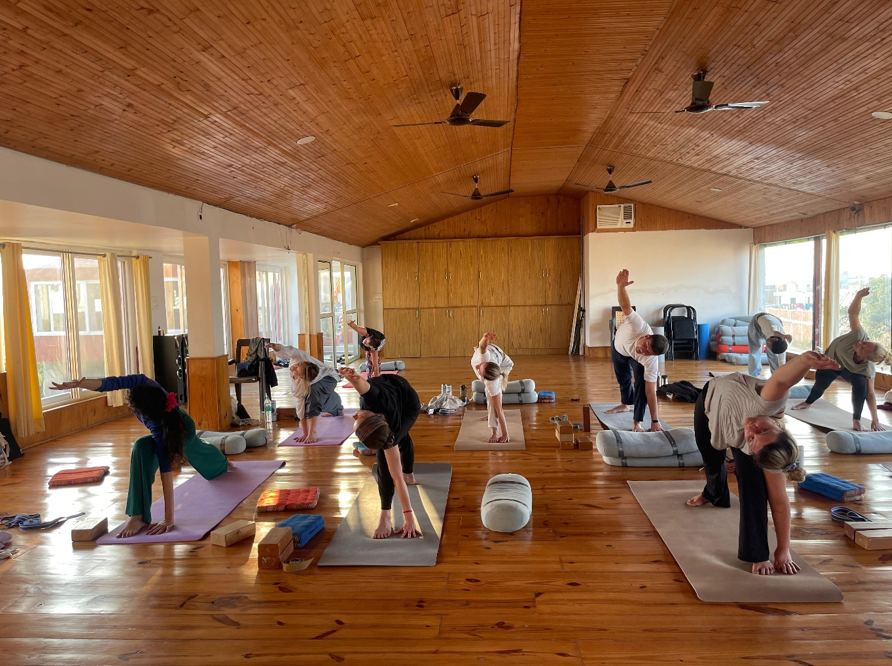
When people think of a successful yoga teacher, they often picture someone with excellent flexibility, perfect posture, or years of experience. While technical knowledge and physical practice are important, they are not the qualities that truly inspire students. The most effective yoga teachers understand that teaching is as much about psychology as it is about yoga.
This principle has long been at the heart of Yoga in India, where traditional teaching emphasizes compassion, self-awareness, and the deep connection between teacher and student. A successful teacher knows how to create a safe, supportive, and encouraging environment where students feel comfortable learning at their own pace. They understand human behavior, communicate with empathy, and inspire confidence without creating pressure.
Emotional Intelligence Matters More Than Perfect Poses
One of the strongest qualities of a successful yoga teacher is emotional intelligence—the ability to recognize, understand, and manage emotions in both themselves and others.
Students arrive at yoga classes for different reasons. Some want to improve flexibility, while others seek stress relief, healing, or emotional balance. A teacher who can understand these different motivations creates a more meaningful experience for every student.
By listening carefully and responding with compassion, yoga teachers build trust that encourages students to return consistently.
Creating a Safe Learning Environment
Learning something new requires vulnerability. Beginners may feel nervous about trying unfamiliar poses or worry about being judged by others.
Successful yoga teachers create a welcoming atmosphere where students feel accepted regardless of age, body type, fitness level, or experience. They use encouraging language, offer modifications, and remind students that progress looks different for everyone.
When students feel psychologically safe, they are more willing to learn and grow.
The Power of Active Listening
Teaching is not just about speaking—it is also about listening.
Great yoga teachers pay attention to verbal feedback, body language, and the energy of the class. They notice when students appear uncomfortable, tired, or confused and adjust their teaching accordingly.
This ability to observe and respond thoughtfully helps create classes that meet students’ real needs rather than following a rigid plan.
Confidence Without Ego
Confidence allows a teacher to lead a class with clarity and calmness. However, confidence is different from ego.
Successful yoga teachers remain open to learning, accept feedback, and recognize that they do not have all the answers. Their willingness to continue growing sets a positive example for their students.
Humility creates stronger connections than perfection ever could.
Communication Builds Trust
Clear communication is essential in every yoga class. Teachers who explain poses simply, provide constructive feedback, and encourage questions help students feel more comfortable and confident.
Positive communication also extends beyond verbal instruction. Tone of voice, patience, eye contact, and respectful interactions all contribute to a supportive learning environment.
These communication skills often determine how students remember their overall experience.
Understanding Motivation
Every student has a unique reason for practicing yoga. Some seek better physical health, while others are looking for emotional healing, stress management, or personal growth.
Successful teachers avoid making assumptions. Instead, they create inclusive classes that allow students to pursue their own goals while feeling supported throughout the journey.
Recognizing individual motivation helps teachers connect with a diverse range of practitioners.
Mindfulness in Teaching
Mindfulness is one of the most valuable psychological tools a yoga teacher can develop. Being fully present allows teachers to observe students carefully, adapt classes when necessary, and respond calmly to unexpected situations.
Mindful teaching also encourages authenticity. Rather than trying to imitate other instructors, successful teachers develop a teaching style that reflects their own personality and experience.
Continuous Personal Growth
The best yoga teachers never stop being students themselves. They regularly deepen their knowledge through practice, study, workshops, and reflection.
Many also explore specialized disciplines such as Fertility Yoga, allowing them to better support students with specific health and wellness needs while expanding their professional expertise.
Lifelong learning helps teachers remain confident, knowledgeable, and adaptable.
Expanding Knowledge Through Modern Education
Technology has made continued learning easier than ever. Many experienced teachers strengthen their understanding of psychology, anatomy, meditation, and teaching methodology through 200 hour yoga Teacher Training in India, enabling them to grow professionally while maintaining their teaching schedules.
Combining traditional yoga wisdom with modern educational opportunities helps teachers stay current while preserving yoga’s authentic principles.
See also: How to Detox Your Body Naturally: 10 Powerful & Safe Methods for Better Health
Teaching Through Connection, Not Perfection
Students rarely remember every instruction from a yoga class, but they often remember how a teacher made them feel.
Teachers who create genuine human connections, encourage progress without comparison, and inspire confidence through kindness leave a lasting impression. Their influence extends beyond physical practice and often motivates students to adopt healthier and more mindful lifestyles.
This emotional connection is one of the hidden psychological foundations of effective teaching.
Final Thoughts
A successful yoga teacher is defined by much more than physical ability or technical knowledge. Emotional intelligence, empathy, communication, mindfulness, patience, and authenticity are the psychological qualities that truly inspire students and build lasting trust.
While Yoga Teacher Training provides essential teaching skills, developing these inner qualities requires continuous self-reflection and experience. Whether expanding expertise through specialized fields like Fertility Yoga or continuing education with Online Yoga Teacher Training, the journey of becoming an exceptional yoga teacher is one of lifelong learning, compassion, and personal growth.




 DIY Tools for Beginners: The Best Electric Helpers for Home Projects