
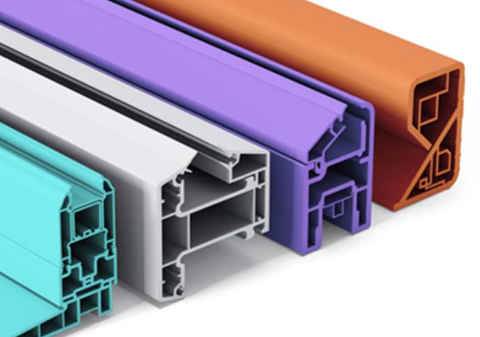
PVC is one of the most widely used polymer materials across construction, packaging, automotive, and consumer goods. But raw PVC is thermally unstable. Without the right additive system, it begins to degrade during processing — releasing hydrogen chloride gas, discoloring, and losing mechanical integrity before it ever reaches its final form. This is not a minor technical inconvenience. For manufacturers who run continuous extrusion or calendering lines, thermal degradation creates product failures, line shutdowns, and customer complaints that carry real financial and reputational cost.
The choice of stabilizer system directly determines whether a PVC formulation performs reliably across temperature ranges, processing speeds, and application environments. For decades, lead-based and cadmium-based stabilizers were the industry standard. They were effective, but their toxicological profile created persistent problems — regulatory pressure, worker exposure risks, and restrictions in export markets. The shift toward safer alternatives has been gradual but consistent, and calcium zinc stabilizer systems have emerged as the most widely adopted non-toxic replacement across both rigid and flexible PVC applications.
Understanding how these systems work, where they perform best, and what distinguishes one formulation from another is essential for procurement managers, compound formulators, and product development teams making long-term material decisions.
What Calcium Zinc PVC Stabilizers Are and How They Function
A calcium zinc pvc stabilizer is a heat stabilizer system based on a combination of calcium and zinc salts, typically used alongside co-stabilizers such as antioxidants, polyols, or organic phosphites to achieve balanced performance. The primary function of any heat stabilizer in PVC processing is to interrupt the degradation cycle that begins when PVC is exposed to elevated temperatures. PVC releases labile chlorine atoms during heat exposure, which triggers a chain reaction of further degradation. Stabilizers work by capturing these chlorine atoms and neutralizing the acidic byproducts before the chain reaction accelerates.
In a calcium zinc system, zinc salts react quickly with the labile chlorine, but this reaction produces zinc chloride as a byproduct — and zinc chloride itself accelerates PVC degradation if allowed to accumulate. This is known as zinc burn, and managing it is central to the formulation challenge. Calcium salts act as a secondary absorber, reacting with zinc chloride to regenerate active zinc species and prevent the buildup that causes discoloration and structural weakening. The balance between calcium and zinc content, and the role of co-stabilizers in extending the thermal window, determines the practical processing latitude a compounder can rely on.
For those building or evaluating formulation strategies, the Calcium Zinc Pvc Stabilizer overview provides a structured reference for understanding the different product categories and their positioning within the broader stabilizer market.
The Role of Co-Stabilizers in System Performance
Calcium and zinc salts alone rarely provide sufficient stabilization for demanding processing conditions. Co-stabilizers are added to extend the thermal stability window, improve color retention over processing time, and compensate for the inherent limitations of the primary salt system. Antioxidants prevent oxidative degradation that occurs alongside thermal breakdown. Polyols such as pentaerythritol act as zinc chloride scavengers, supplementing the role of calcium and extending the point at which discoloration begins. Organic phosphites contribute to color stability by reducing discoloration from residual degradation products.
The selection of co-stabilizers is not a formality. It determines whether a stabilizer system holds up through extended processing cycles, handles color-sensitive applications, and maintains performance after reprocessing. Compounders who underestimate the role of co-stabilizers often encounter inconsistent color development or early yellowing that appears only under production conditions, not in laboratory tests.
Types of Calcium Zinc Stabilizer Formulations
Calcium zinc stabilizers are not a single product category. They exist in several physical forms and compositional variants, each suited to different processing methods and application requirements. The three primary forms are liquid stabilizers, powder blends, and one-pack systems. Each carries different implications for handling, dispersion, and compatibility with other additives in the compound.
Liquid Stabilizer Systems
Liquid calcium zinc stabilizers are widely used in flexible PVC applications, particularly in plastisol processing and PVC film production. The liquid form allows for easier dosing and more uniform dispersion throughout the compound, which is especially important in thin-gauge applications where uneven stabilizer distribution creates visible defects. Liquid systems are often preferred in high-speed calendering lines where consistent blending is operationally critical.
The limitation of liquid systems is that they require storage infrastructure — temperature-controlled tanks in some climates, and compatibility checks with other liquid components in the formulation. Handling protocols matter because some liquid stabilizer components are sensitive to moisture contamination, which can affect their effectiveness in the compound.
Powder and One-Pack Systems
Powder calcium zinc stabilizers are commonly used in rigid PVC applications such as window profiles, pipe, and siding. They integrate readily into dry-blend processes and offer good shelf stability. However, dust management in powder handling is a practical concern in production environments, both for worker hygiene and for consistent dosing accuracy.
One-pack systems represent a more integrated approach. They combine the primary calcium zinc salts with co-stabilizers, lubricants, and processing aids into a single additive package. This simplifies the compounding process and reduces the number of variables in the formulation, which appeals to manufacturers who prioritize consistency and reduced in-house formulation complexity. The tradeoff is reduced flexibility — a one-pack system optimized for rigid pipe may not translate well to a flexible sheeting application without reformulation.
Applications Across PVC Processing and End-Use Segments
The practical reach of calcium zinc pvc stabilizer technology spans a wide range of PVC processing methods and finished product categories. This breadth reflects both the versatility of the chemistry and the increasing regulatory and market pressure to move away from heavy metal stabilizer systems across industries.
Common applications where calcium zinc systems are now the standard or preferred choice include:
• Rigid PVC window profiles and door frames, where long-term outdoor color stability and weathering resistance are primary performance requirements.
• PVC pipes and fittings for potable water, where regulatory compliance with food contact or drinking water standards eliminates the use of lead-based alternatives.
• Flexible PVC flooring and wall coverings, particularly in healthcare and food service environments where material safety certification is a procurement prerequisite.
• PVC cables and wire insulation, where thermal stability during processing and service life performance both depend on effective stabilization.
• PVC films for food packaging, where direct or indirect food contact requirements align with the non-toxic profile of calcium zinc chemistry.
• Automotive interior components, where off-gassing restrictions and material safety requirements have driven a broad transition away from heavy metal stabilizers.
Each of these applications imposes different requirements on the stabilizer system. Pipe applications prioritize long-term heat aging performance and resistance to chlorinated water environments. Profile applications demand color consistency over extended outdoor exposure. Film and packaging applications require compliance with specific food contact regulations that vary by market and jurisdiction.
Regulatory Context and Industry Standards
The transition toward calcium zinc stabilizers has not been driven purely by performance advantages. Regulatory frameworks in the European Union, particularly the REACH regulation, have placed severe restrictions on lead and cadmium compounds in PVC products. The VinylPlus commitment, a sustainability initiative within the European PVC industry, set milestones for eliminating lead stabilizers across member producers — a target that has been substantially achieved in European markets.
Beyond Europe, similar pressures exist in markets that reference European standards or respond to downstream customer requirements in global supply chains. A manufacturer in Asia or South America producing goods for European or North American buyers may face stabilizer restrictions imposed contractually, even where local regulation has not yet caught up. This dynamic has accelerated the global adoption of calcium zinc systems in export-oriented manufacturing.
Standards governing stabilizer performance in specific applications also shape formulation requirements. The International Organization for Standardization maintains standards relevant to PVC materials in construction, plumbing, and electrical applications, and these often reference thermal stability, mechanical properties, and chemical resistance thresholds that stabilizer systems must support. Formulators working across multiple markets need to understand which standards apply to their end-use categories and how stabilizer selection interacts with test performance.
Certification and Compliance in Sensitive Applications
For applications such as drinking water pipe, food packaging film, or medical-grade flexible PVC, the stabilizer system must carry specific certifications that confirm it meets the safety thresholds required for the application. These certifications involve third-party testing and are tied to specific stabilizer formulations — meaning that a change in supplier or formulation can require recertification before the product can be sold into regulated channels.
Procurement teams managing approved supplier lists need to account for certification continuity when evaluating alternative stabilizer sources. A lower-cost calcium zinc product that lacks the necessary certification for a food contact or potable water application is not a viable alternative, regardless of its stabilization performance in processing trials.
Evaluating Stabilizer Performance Before Specification
Selecting a calcium zinc pvc stabilizer for a new application or as a replacement for an existing system requires structured evaluation rather than direct substitution. Calcium zinc systems have different processing windows, lubricant balances, and color development profiles compared to the lead or organotin systems they may be replacing. Assuming equivalent behavior without validation is a common source of processing problems during transitions.
A practical evaluation sequence typically includes:
• Static thermal stability testing to establish the degradation onset point and compare it against the required processing window for the specific equipment and cycle time.
• Dynamic testing under simulated processing conditions, including torque rheometry or twin-screw extrusion trials, to assess how the compound behaves under real shear and temperature conditions.
• Color tracking over processing time to identify early yellowing or color drift that may not appear in static tests but becomes visible under extended production runs.
• Compatibility checks with other additives in the compound, particularly impact modifiers, processing aids, and fillers, since incompatibilities can reduce stabilizer efficiency or cause surface defects.
• End-use property testing relevant to the application — UV exposure for outdoor profiles, pressure cycling for pipe, or flexibility retention for cable jacketing.
This evaluation process takes time, but it reduces the risk of discovering performance gaps after a formulation has been committed to production scale.
Conclusion
Calcium zinc pvc stabilizer systems have become the central pillar of non-toxic PVC stabilization across a wide range of industries and applications. Their adoption reflects a convergence of regulatory requirements, customer expectations, and genuine performance capability in demanding processing environments. But they are not a uniform category. The differences between liquid and powder forms, between one-pack and multi-component systems, and between formulations optimized for rigid versus flexible applications are operationally meaningful.
For compounders, product developers, and procurement teams, the practical task is not simply choosing calcium zinc over alternative chemistries. It is understanding which type of calcium zinc system fits the processing method, the application environment, the required certifications, and the long-term performance expectations that define a reliable, manufacturable product. Getting that alignment right from the start — rather than correcting it through trial and error during production — is what separates sound material specification from costly reformulation cycles.




 7 Proven Frameworks for Validating Product Ideas Before Writing a Single Line of Code