
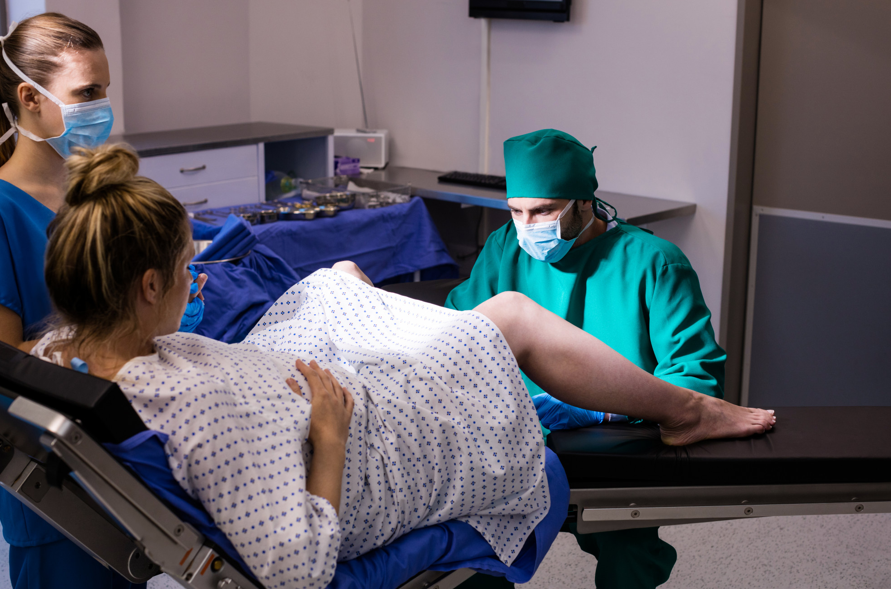
Surgeons face a steep learning curve in laparoscopic surgery, which can impact diagnosis and outcomes for patients with complex pelvic conditions like bowel endometriosis. Choosing an experienced, mentored specialist who collaborates with colorectal experts ensures safer procedures and tailored treatment plans.
Key Takeaways
Surgeon Proficiency Needs Practice: Surgeons typically require 20 to 30 cases to master laparoscopic techniques and build essential hand-eye coordination.
Complex Cases Demand Multidisciplinary Teams: Severe conditions like bowel endometriosis require collaborative care between gynaecologists, colorectal specialists, and fertility experts.
Patient Advocacy Matters: Patients should evaluate a surgeon’s training, annual case volume, and team approach before consenting to surgery.
The learning curve of a surgeon is the number of procedures it takes for them to do an operation safely and consistently. In the case of minimally invasive gynaecological surgeries, a surgeon usually takes around a minimum of 20-30 cases to develop operative time proficiency, but individual results can vary.
For women with bowel symptoms this proficiency can impact both their diagnosis and outcomes. Read this blog to know what the learning curve means for the surgeons and their patients going through a minimally-invasive gynaecological surgery.
What the Learning Curve Means for Surgeons
The learning curve denotes the skill of the surgeon and it simultaneously impacts the quality of a surgical process for the patients.
Why the Curve is Steep
Laparoscopic training needs surgeons to work from a screen image without looking at the area of operation directly. So, they need to re-learn depth perception and hand-eye coordination. Structured simulation and mentorship can help them progress faster but hands-on experience through real cases matters more.
What Influences How Quickly a Surgeon Progresses
Considering how the surgeon’s experience matters, their progress in their proficiency depends upon the following factors:
- Prior surgical experience (open or laparoscopic)
- Mentorship or proctoring in early cases
- Annual case volume and complexity of those cases
- Simulation and structured curricula
- Their team’s consistency in the operating room
An experienced laparoscopic surgeon may not need too many cases but a low-volume surgeon would technically need more. This is why there is no single proficiency number to benchmark a surgeon’s skills.
What the Learning Curve & Surgeon Proficiency Means for Patients
The patient might not know about a surgeon’s career progress and how their performance has been, but it is important as well. Especially in cases where a pelvic disease involves the bowel system.
Why Complex Cases Need a Team
Bowel endometriosis is usually uncommon but it is not rare among patients with pelvic endometriosis. Most of them also have a disease elsewhere in the body. In this case, finding the best endometriosis specialist for your surgery often means looking for a surgeon who works with colorectal and gastroenterology specialists.
CAUTION!
If period pain worsens steadily, disrupts work, or comes with bowel or urinary symptoms, it needs proper and immediate gynaecologic evaluation. Do not diagnose by yourself or wait. Do not choose a surgeon based on advertisements and promises of guaranteed results.
How Colonoscopy Supports Surgical Planning
When a physical exam report shows something abnormal, surgeons may order a colonoscopy to look for issues like rectal-wall compression or nodularity. Because it reaches the cecum and helps check areas that sigmoidoscopy misses.
The findings help decide whether a colorectal surgeon needs to join the operating team. But sometimes, since it examines the luminal mucosa, your results can often be normal even when disease is present. In this case, transvaginal ultrasound (TVUS) with pelvic MRI is suggested.
Case Example
A 38-year-old woman had cyclical bloating and painful bowel movements. She was then referred for colonoscopy where findings suggested external compression of the rectal wall. Her gynaecologist arranged a colorectal surgeon to stay available during the surgery so that they could treat any suspected bowel involvement found during that surgery.
Questions Patients Should Ask Before Consenting
Here’s what patients should consider asking their assigned surgeons before they consent to surgery.
- Ask where the surgeon completed laparoscopic training
- Enquire whether they were a part of a structured fellowship or mentored program
- Note how often they perform the procedure in a year
- Ask how surgery and fertility treatment are timed
- Confirm whether a second opinion is welcome
Patients note that no accreditation system defines an endometriosis “specialist”. So, the best endometriosis specialist for you is the one whose training, volume, and team match your case. If fertility is a goal, ask how the surgeon coordinates with your fertility specialist.
See also: How to start a lawn care business legally and keep it running cleanly
Conclusion
Every surgeon begins their career on a learning curve and their experience matters when the patient’s disease is complex. If the patient’s pain is worsening, early evaluation is necessary, just like asking the surgeon about their training, volume, and team to choose a plan that fits your health condition.
Worried About the Skills of Your Gynaecological Surgeon?
Make sure they have passed through a proper learning curve and are associated with credible healthcare facilities before consenting.



 Calcium Zinc PVC Stabilizer: A Complete Overview of Types, Applications, and Industry Standards